
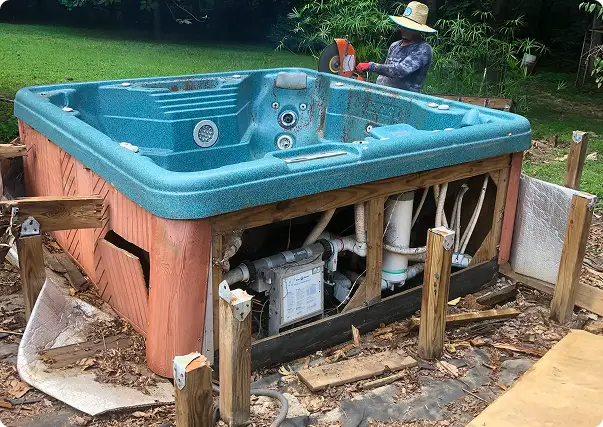
Swimming pools can be a great addition to any property, offering relaxation, recreation, and visual appeal. However, as time passes, many homeowners begin to see their pool as a burden rather than a benefit. High maintenance costs, safety concerns, aging structures, and changing lifestyle needs often lead to one important decision—pool demolition.
Pool removal is not a simple weekend project. It is a structured construction process that requires planning, safety precautions, heavy equipment, and professional expertise. Understanding how it works helps homeowners make informed decisions and avoid costly mistakes.
At Wesclow, professional demolition services are provided for residential and commercial properties across Raleigh, Durham, Chapel Hill, and surrounding areas. The company specializes in safe, efficient demolition work, including pool removal, junk removal, and structural clearing, with a strong focus on safety and proper site preparation.
Why Homeowners Choose Pool Demolition
There are several reasons homeowners decide to remove a swimming pool.
One of the most common reasons is cost. Pools require regular maintenance, including cleaning, chemical balancing, pump servicing, repairs, and seasonal upkeep. Over time, these expenses add up significantly, especially for pools that are rarely used.
Another major factor is safety. Families with children or pets often prefer eliminating potential hazards in the backyard. Even unused pools can present risks if not properly secured or maintained.
Structural issues also influence the decision. Older pools may develop cracks, leaks, plumbing failures, or surface deterioration. In many cases, repairing these issues can cost more than removing the entire structure.
Lifestyle changes are another key reason. As families grow or routines change, the pool may no longer serve its original purpose. Instead of investing in repairs, homeowners often choose to reclaim the space for landscaping, outdoor living areas, or home expansion.
Understanding the Pool Demolition Process
Professional Pool demolition services involve several carefully planned steps to ensure safety and long-term stability of the property.
The process typically begins with a site inspection. Contractors evaluate the pool type, surrounding structures, access points, and utility connections. This helps determine the best demolition approach.
Next, all utilities connected to the pool are disconnected. This includes electrical systems, plumbing lines, pumps, and filtration equipment. Proper disconnection is critical for safety during demolition.
After preparation, heavy machinery such as excavators is used to break apart the pool structure. The method depends on whether the pool is concrete, fiberglass, or vinyl-lined.
Once demolition is complete, debris is removed from the site or broken down and compacted, depending on the removal method chosen. The final step involves backfilling the area with approved materials and compacting the soil to prevent future settling.
Partial vs Full Pool Removal
Homeowners generally choose between two types of pool demolition: partial removal and full removal.
Partial Pool Removal
Partial removal involves breaking down parts of the pool structure and creating drainage holes in the remaining shell. The space is then filled with compacted soil and covered.
This method is often more affordable and faster to complete. However, because part of the structure remains underground, it may limit future construction options on that area of land.
Full Pool Removal
Full removal involves completely demolishing and extracting the entire pool structure, including walls, flooring, reinforcement materials, and surrounding components.
This method provides a clean slate for future development. Homeowners who plan to build additions, install heavy landscaping, or make structural changes often prefer full removal because it eliminates underground obstacles.
Although full removal is typically more expensive, it offers greater long-term flexibility.
Types of Pools and Their Demolition Challenges
Different pool types require different demolition techniques.
Concrete and gunite pools are the most durable and require heavy breaking equipment due to their reinforced structure. These pools generate large amounts of debris that must be properly managed and removed.
Fiberglass pools are easier to handle because they are made from molded shells. These are usually cut into sections and removed from the excavation area.
Vinyl-lined pools are generally simpler to dismantle since the liner and supporting structure can be removed separately. However, care must still be taken to ensure proper backfilling and compaction.
Each pool type presents unique challenges, which is why professional evaluation is important before starting demolition work.
Permits and Local Regulations
Before beginning any pool demolition project, homeowners should understand local permit requirements. Most municipalities require permits for structural demolition and land alteration.
Regulations may include rules about drainage, soil replacement, compaction standards, and inspection requirements. In some areas, inspectors must verify that drainage holes are created and utilities are properly disconnected before backfilling begins.
Failing to follow local guidelines can lead to delays, fines, or additional construction requirements. This is why working with experienced demolition professionals is highly recommended.
Environmental Considerations
Responsible demolition includes proper environmental management.
Pool water must often be drained according to local regulations to prevent contamination of stormwater systems or surrounding properties. In many cases, water may need to be neutralized before disposal.
Construction debris such as concrete, metal, and plumbing components should be handled properly. Many materials can be recycled instead of being sent to landfills, reducing environmental impact.
Professional demolition teams follow proper disposal methods to ensure compliance with environmental standards.
Site Access and Equipment Requirements
Pool demolition requires heavy machinery, including excavators, loaders, and dump trucks. Before work begins, contractors evaluate site access carefully.
Narrow gates, fences, landscaping features, and nearby structures can affect how equipment is brought in and operated. In some cases, additional planning or smaller machinery may be needed to complete the job safely.
Even properties with limited access can usually be serviced, but proper planning is essential to avoid damage to surrounding areas.
What Happens After the Pool Is Removed?
After demolition, the site must be properly restored.
The excavation is filled with clean material and compacted in layers. This step is extremely important because improper compaction can lead to sinking or uneven ground in the future.
Once the ground is stabilized, the area can be transformed into usable space. Many homeowners choose to install gardens, patios, lawns, outdoor seating areas, or play zones. Others prepare the area for future construction projects.
A properly restored site blends seamlessly into the surrounding landscape and becomes a valuable part of the property again.
Common Mistakes Homeowners Should Avoid
One of the biggest mistakes homeowners make is choosing a contractor based only on price. Pool demolition requires experience, equipment, and proper safety procedures. Low-cost services may cut corners on important steps like compaction or debris removal.
Another mistake is skipping permit verification. Without proper approvals, homeowners may face delays or compliance issues during or after demolition.
Improper backfilling is also a common issue. If soil is not compacted correctly, the ground can settle over time, causing uneven surfaces and drainage problems.
DIY pool demolition is another risky approach. Without proper equipment and knowledge, it can lead to serious safety hazards and property damage.
Benefits of Removing an Old Pool
Removing an unused or damaged pool offers several long-term benefits.
Homeowners often experience reduced maintenance costs and increased usable yard space. The property becomes safer, especially for families with children or pets.
It also improves flexibility for future landscaping or construction projects. A cleared backyard allows for more creative and practical property improvements.
In many cases, removing an old pool enhances the overall usability and appeal of the home.
Choosing the Right Pool Demolition Contractor
Selecting the right contractor is one of the most important steps in the demolition process. Homeowners should look for companies with proven experience, proper licensing, insurance coverage, and a strong safety record.
A reliable contractor will explain the entire process clearly, assess the site properly, and provide guidance on permits and restoration. Communication and professionalism are key indicators of quality service.
Experienced teams bring construction knowledge and demolition expertise together, ensuring projects are completed safely and efficiently while protecting surrounding property.
Conclusion
Pool demolition is a major but often beneficial decision for homeowners who want to reduce maintenance costs, improve safety, or reclaim valuable backyard space. While the process involves careful planning, equipment, and proper execution, the results can significantly enhance the functionality of a property.
Understanding the differences between partial and full removal, recognizing permit requirements, and working with experienced professionals are all essential steps in ensuring a successful project.
With the right approach, removing an old or unused pool can transform a property into a more practical, safe, and enjoyable living space for years to come.
Frequently Asked Questions
How long does pool demolition take?
Most pool demolition projects can be completed within a few days to a week, depending on the pool size, demolition method, and site conditions.
What is the difference between partial and full pool removal?
Partial removal leaves portions of the pool structure underground, while full removal completely removes all pool materials from the site.
Do I need a permit for pool demolition?
Permit requirements vary by location, so homeowners should check local regulations before beginning any demolition project.
Can I build on the area after the pool is removed?
Future construction possibilities depend on the demolition method used and local building requirements. Full removal generally provides greater flexibility.
Why should I hire a professional pool demolition contractor?
Professional contractors have the equipment, expertise, and safety procedures necessary to complete the project efficiently while protecting your property and ensuring proper site restoration.
Call Raleigh Demolition Wesclow LLC today to request your free estimate and see why homeowners, contractors, and businesses across Raleigh-Durham trust us for their demolition and cleanup needs.


Wesclow LLC – Demolition & Junk Removal Done Right.
Serving Raleigh, Durham, Cary, Chapel Hill, and surrounding North Carolina communities.
